The Israelites of the Old Testament were very familiar with Africa’s great kingdoms. Pharoah Taharka (690-664 BC), one of the “Black Pharaohs” of the 25th Dynasty ruled from Nubia and assisted Judah’s war against the Assyrians (Isaiah 37:9). The Queen of Sheba ruled lands on both sides of the Red Sea when she visited King Solomon giving him many exotic gifts impressed by his wisdom (I Kings 10:1-13).

What we sometimes forget is that the average African and Israelite would have, at least, heard of one another as a people as well. The children of Ham and Shem didn’t live far from each other. Dark skinned “Ethiopians” had occupied towns in the Levant such as Gerar (2 Chronicles 14:8-14). Before then, a mixed multitude fled Egypt with the Israelites under the leadership of Moses (Exodus 12:38). The exchange of ideas, ideals, genetics, trade, and religion were not only the realms of the ruling classes of the ancient world. Any merchant or shopper at any marketplace could be exposed to and blended with another culture.
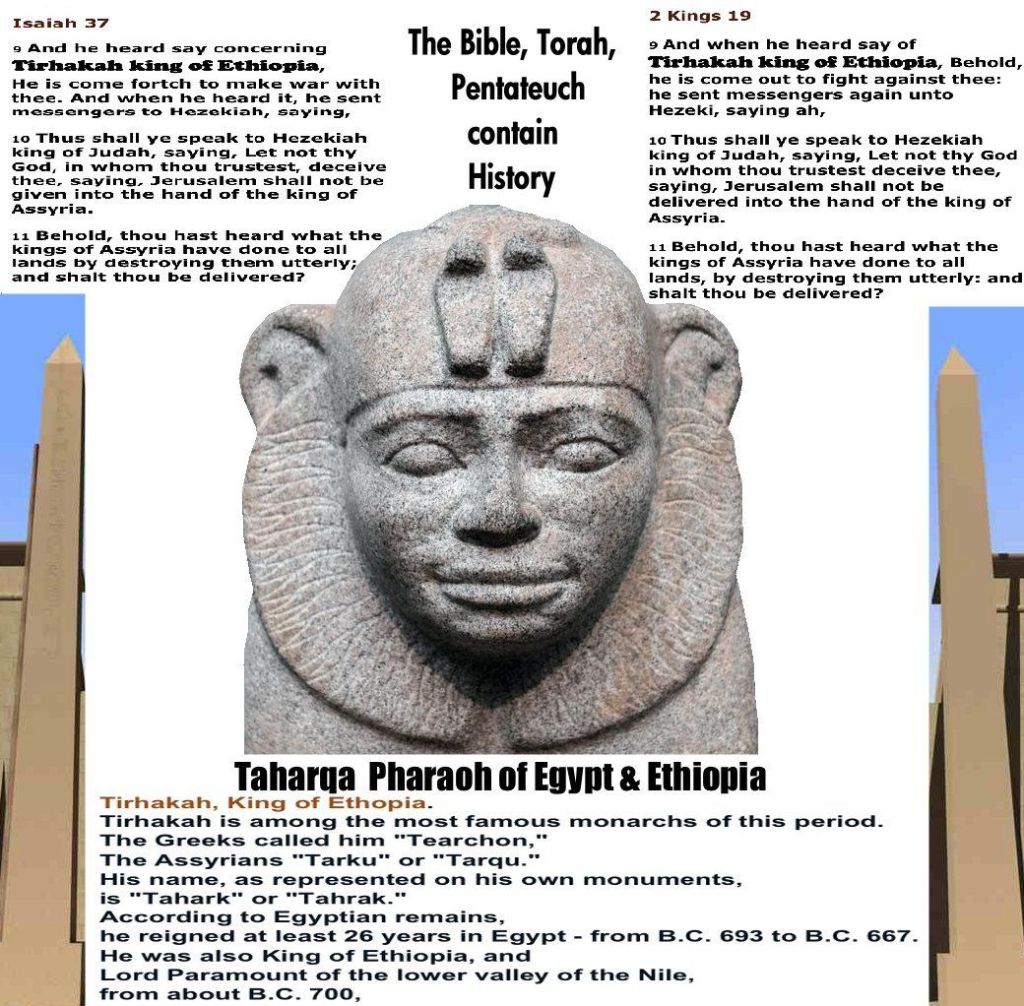
There are no records of the number of black Africans, brown Israelites, or their mulatto offspring. Israelite society was built on the belief that God is One. There was no shortage of Africans who accepted this statement of faith.
Ancient African and Israelite Relations part one: Lecture 3 – YouTube and Ancient African and Israelite Relations part 2: Lecture 3 – YouTube


 St. Djan Darada Fellowship
Leave a comment